Field observations
Ceramic bowls shape the way a tabletop feels. Across these images, curved rims frame fruit, spices, tea tools, and small arrangements, while handmade surfaces catch light with subt
Clay Surfaces in Changing Light
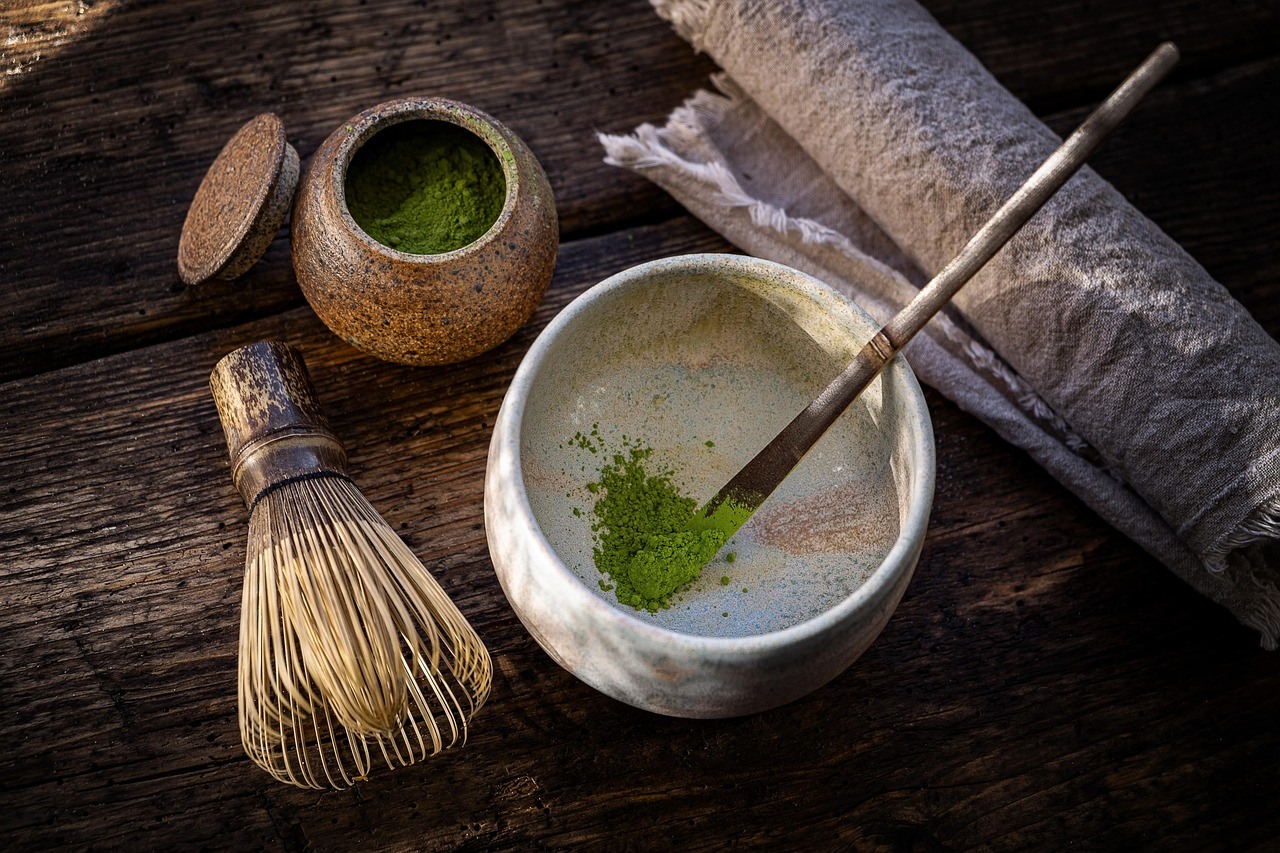
Ceramic surfaces respond differently to light according to color, texture, and finish. Matte earthenware absorbs illumination and shows gradual shifts across shoulders and walls. Glossy glaze returns sharper highlights, making curves feel crisp and polished. Wet clay reflects light in broken streaks across fingers and newly formed vessels, emphasizing movement and touch. Speckled or mottled finishes interrupt smooth tonal fields with small variations that reward a closer view. The surrounding setting changes these effects: dark wood deepens pale glaze, white backgrounds clarify saturated color, and warm workshop light intensifies earth tones. Across the photographs, light does more than reveal the objects. It separates overlapping forms, describes thickness, and turns subtle surface differences into the most expressive parts of each composition.
Continue through the collectionAll field notesHands, Wheels, and Unfinished Form
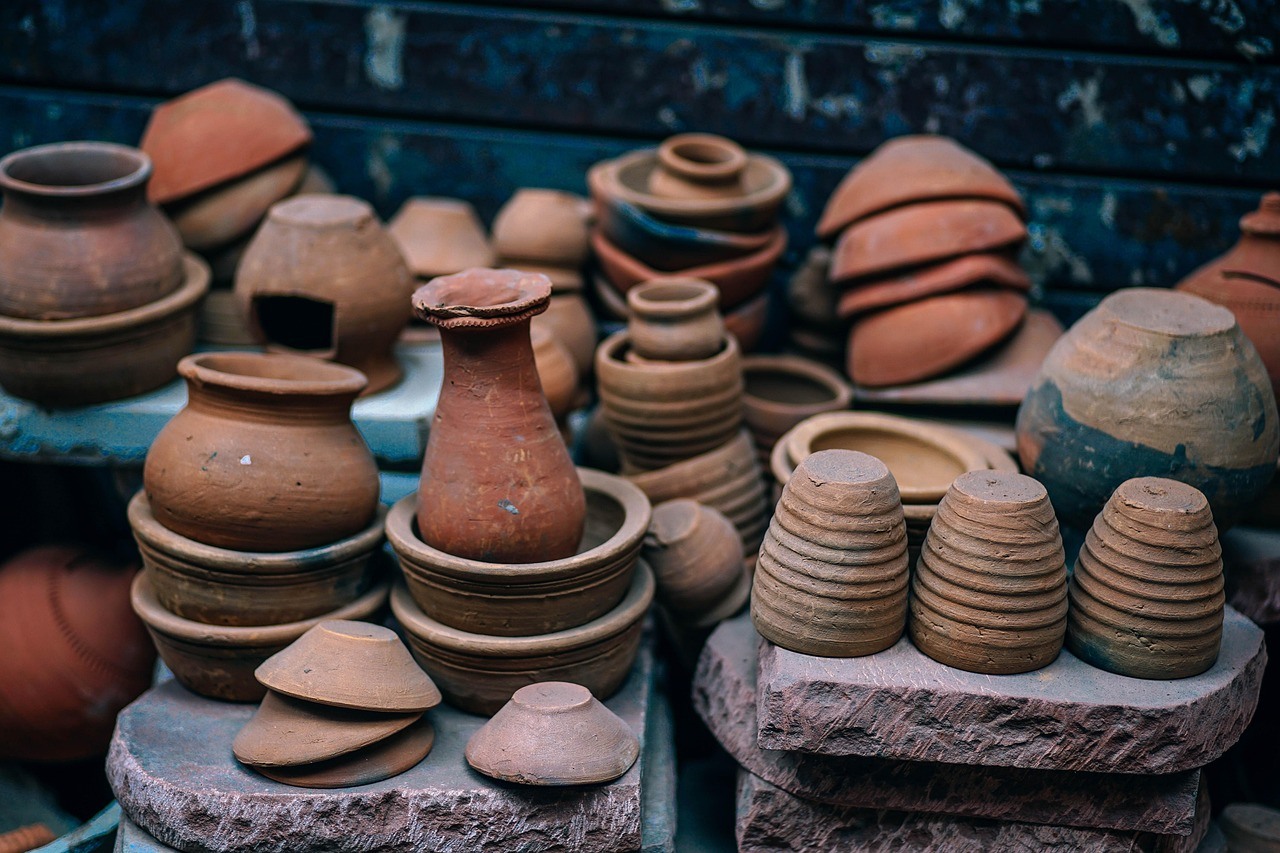
The wheel-throwing images focus on ceramic form before it becomes fixed. Hands surround the clay, with fingers positioned inside and outside the vessel to guide the wall. Concentric wheel lines reinforce the intended symmetry, while blur at the platform’s edge makes the central clay appear steadier by comparison. Wet surfaces register pressure through ridges, sheen, and slight changes in profile. The surrounding workshop is largely excluded, so touch and rotation carry the narrative. These unfinished vessels have recognizable openings and walls, but their final proportions remain unresolved. That uncertainty gives the images energy. Instead of presenting ceramics only as completed tabletop objects, they show shape as an active condition—something held, centered, compressed, and raised through repeated contact.
Continue through the collection