Quiet Geometry at the Table
Ceramic bowls shape the way a tabletop feels.
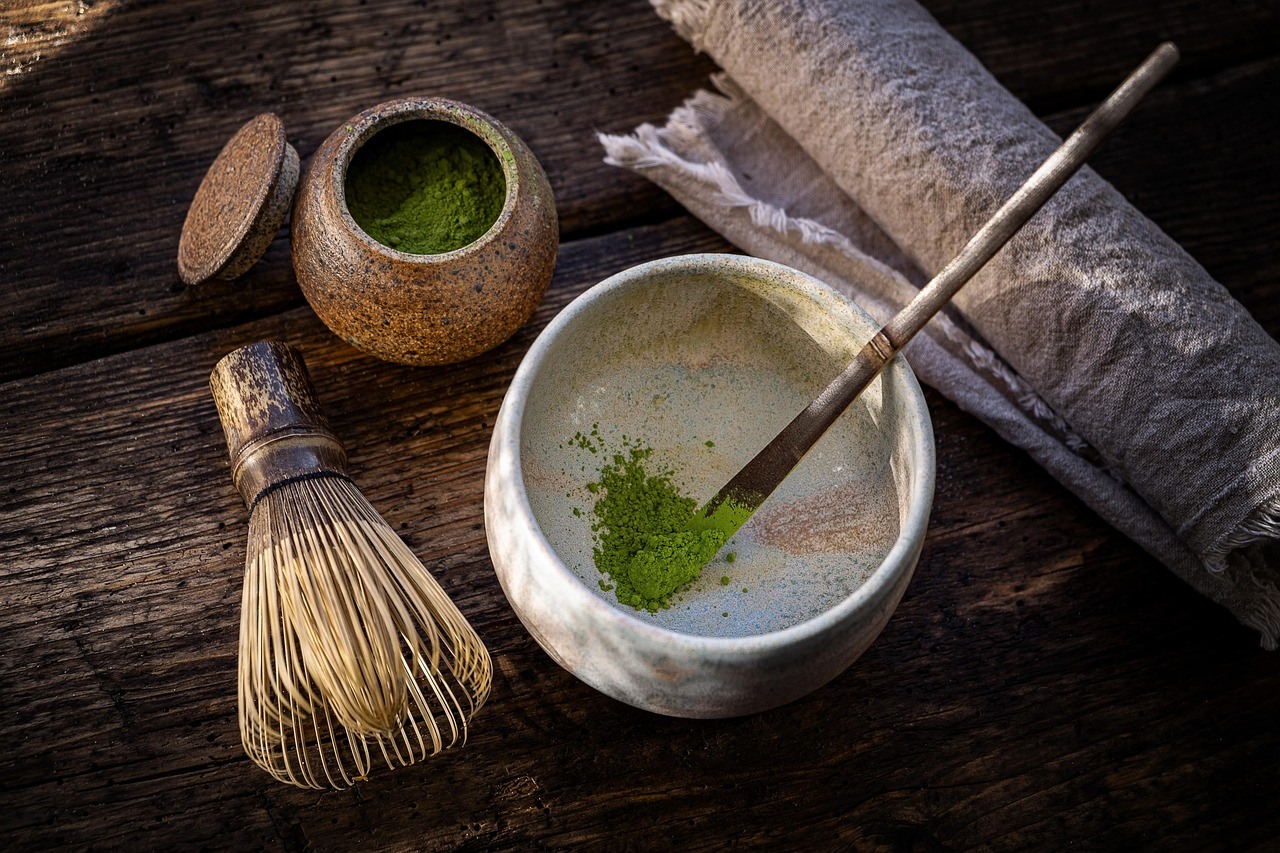
Photographic records
View the collection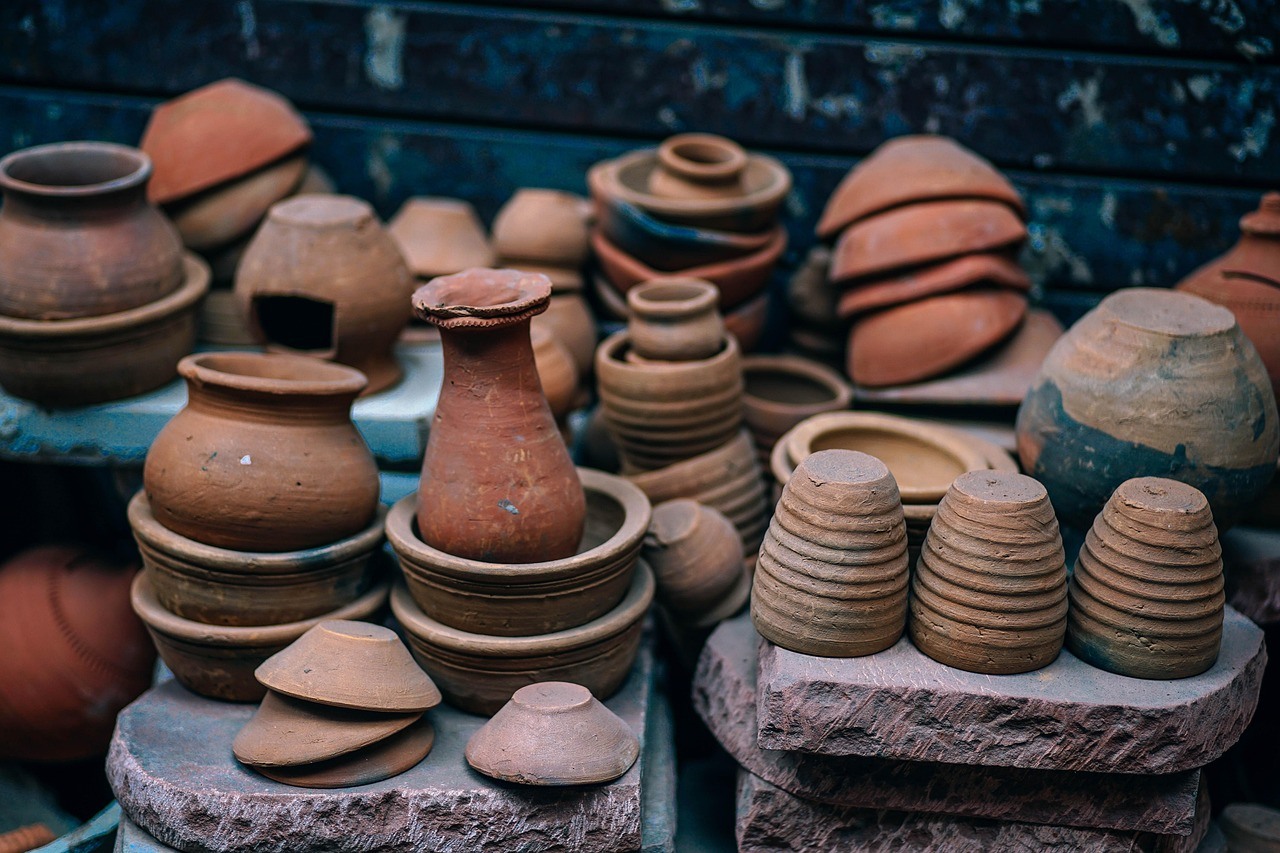
A Crowd of Repeated Profiles
Many unglazed earthenware pots, bowls, lids, and stacked cups are displayed on rustic stands.
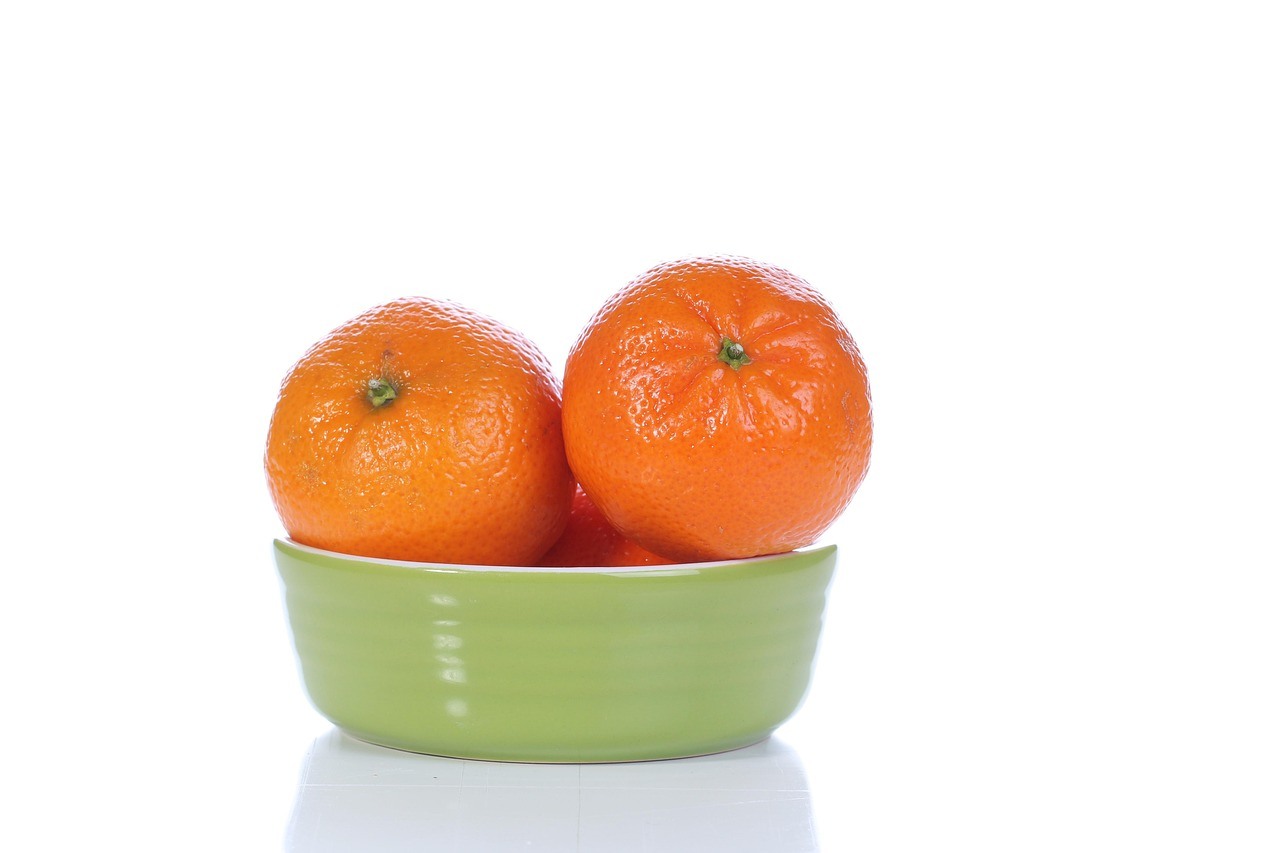
Two Oranges Above a Green Rim
Two oranges sit in a glossy light green ceramic bowl against a bright white background.
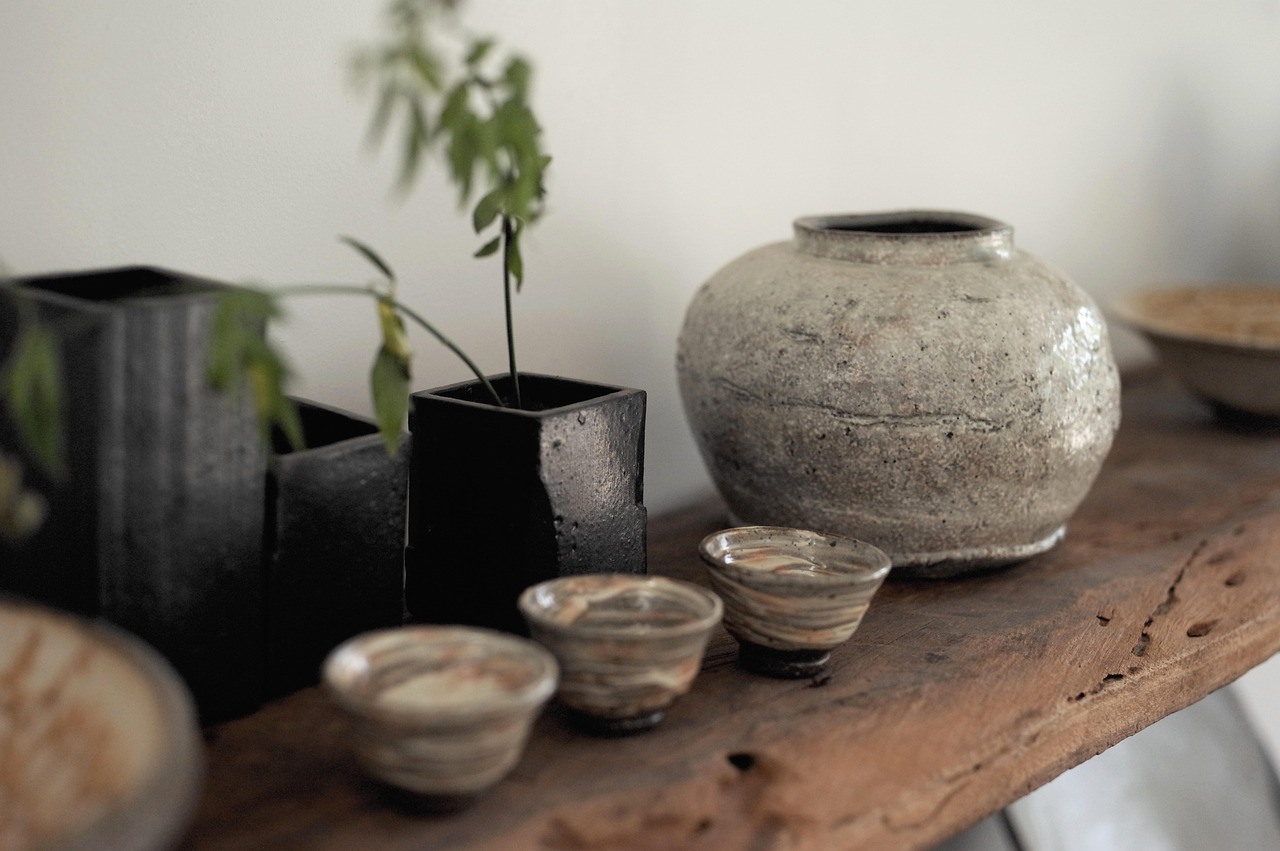
Quiet Vessels Along a Wooden Shelf
A rounded gray ceramic vase and several small cups sit on a rustic wooden shelf beside dark planters and a thin plant.
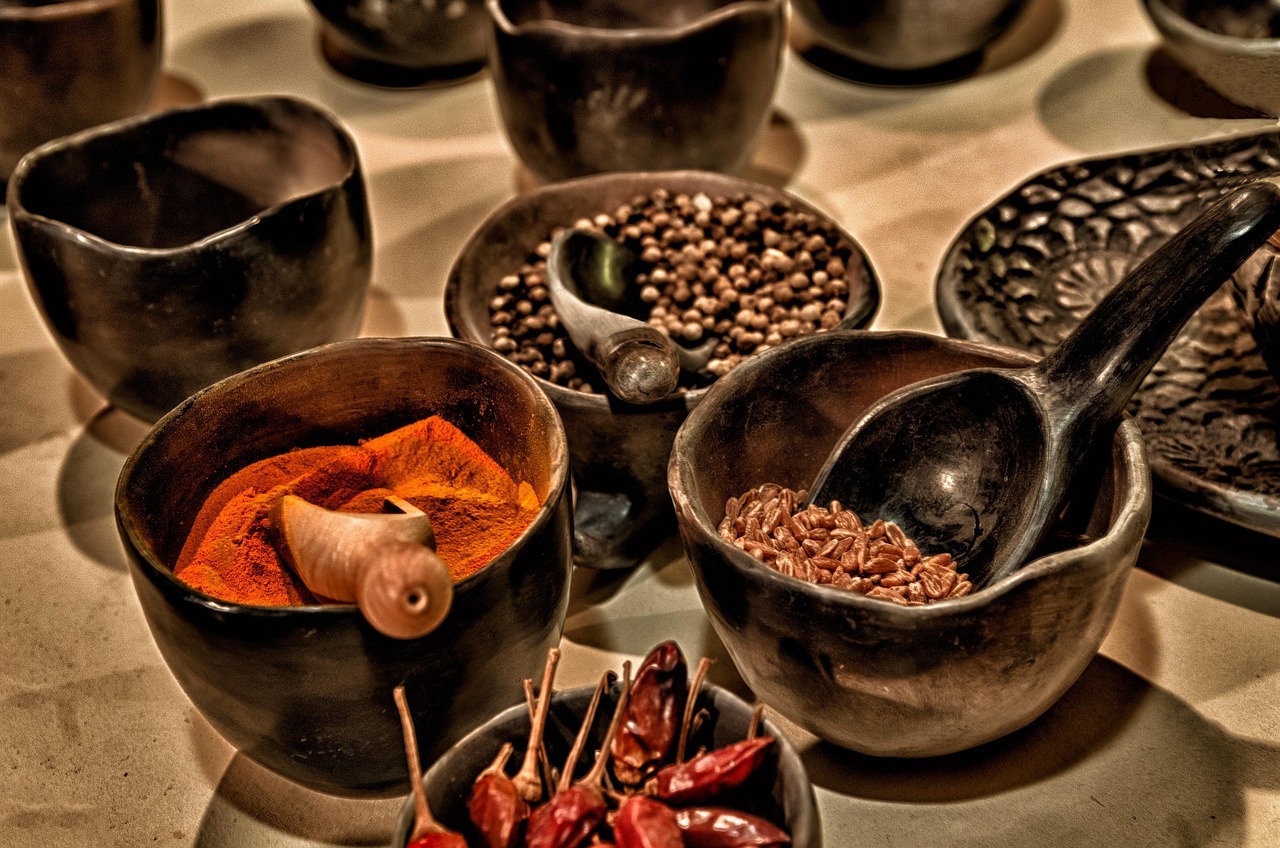
Dark Vessels, Warm Ingredients
Dark ceramic bowls and cups hold red powder, seeds, dried chilies, and utensils on a warm patterned table.
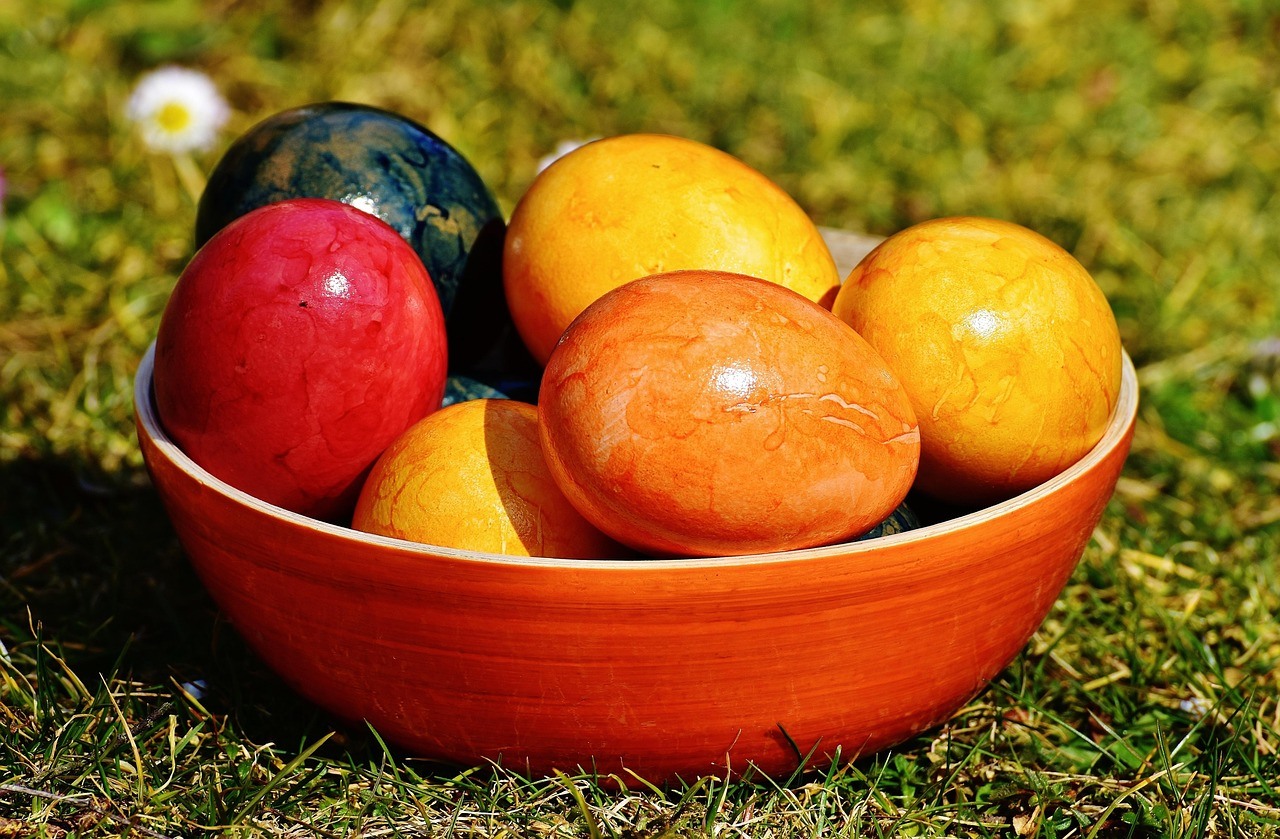
Color Gathered in a Wide Bowl
A wide orange ceramic bowl holds glossy colored spheres on sunlit grass.
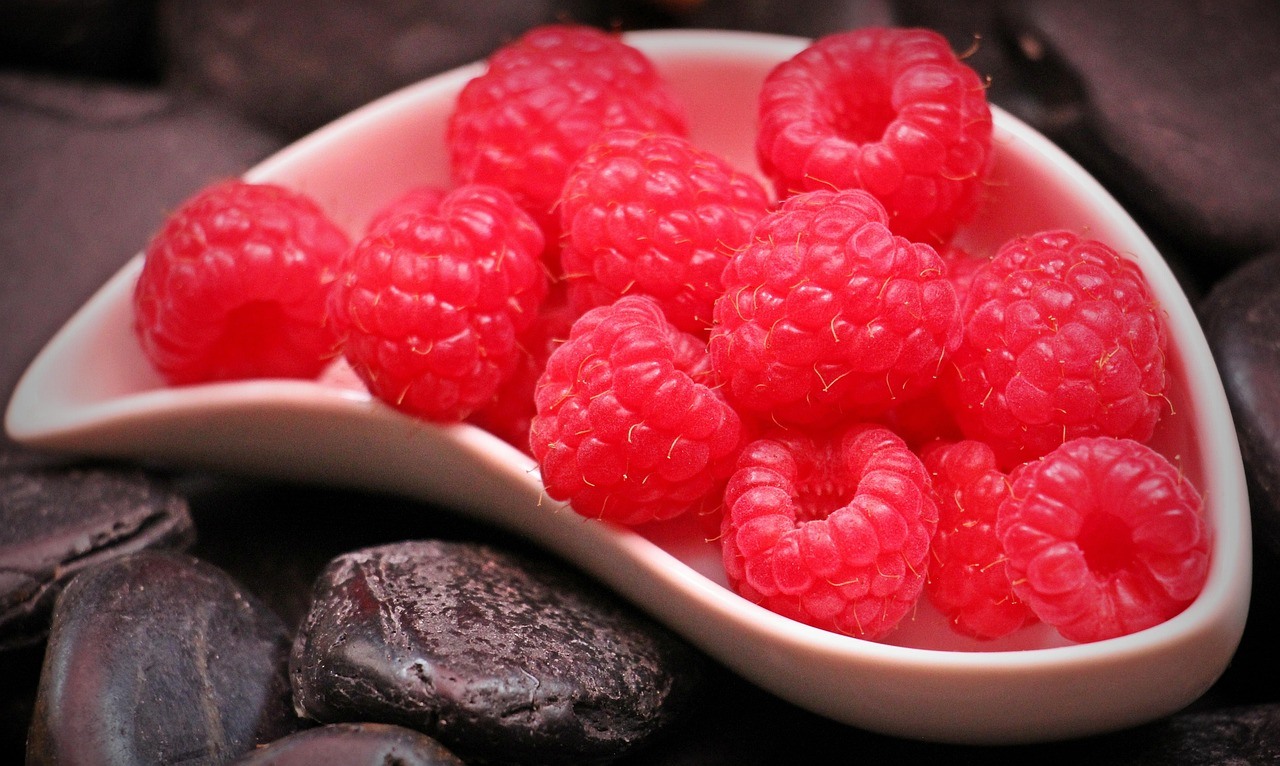
A Soft Rim Around Bright Fruit
A pale pink ceramic bowl filled with red raspberries beside dark stones on a deep brown surface.
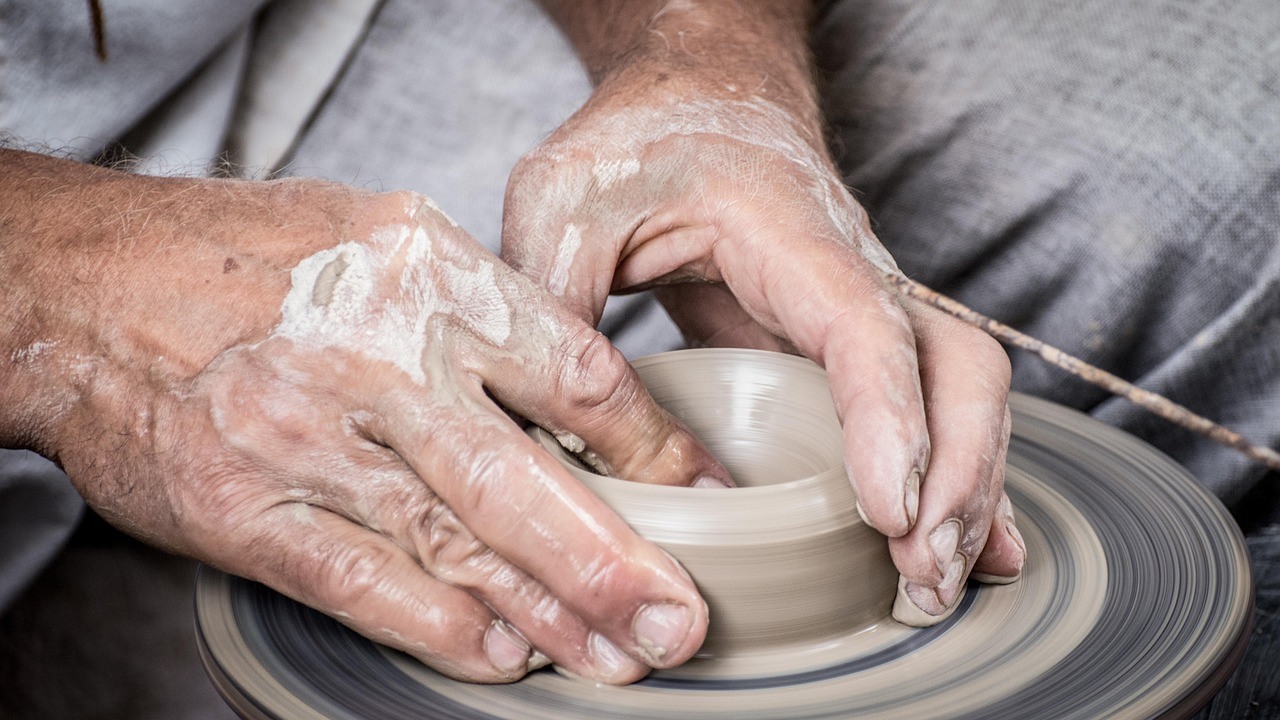
The Bowl Emerging Between Two Hands
Clay-covered hands shape a small pale vessel on a spinning pottery wheel.
Reading notes
All notesClay Surfaces in Changing Light
Ceramic surfaces respond differently to light according to color, texture, and finish. Matte earthenware absorbs illumination and shows gradual shifts across shoulders and walls.
Read the noteHands, Wheels, and Unfinished Form
The wheel-throwing images focus on ceramic form before it becomes fixed. Hands surround the clay, with fingers positioned inside and outside the vessel to guide the wall.
Read the noteRepetition and the Tabletop
Repeated forms give a tabletop rhythm. Circular openings appear in bowls, cups, jars, and divided dishes, while utensils introduce narrow lines that cross or connect them.
Read the noteBowls as Frames for Color
A bowl does not simply contain color; its rim and interior organize it. Red raspberries become more intense against pale pink ceramic, while oranges stand apart from a cool green glaze.
Read the note